Aluminium vs Tinplate Aerosol Cans: Cost, Performance & Manufacturing Comparison
Guide Contents
- 1. Why Aerosol Can Material Selection Matters
- 2. What Are Aluminium Aerosol Cans?
- 3. What Are Tinplate Aerosol Cans?
- 4. Manufacturing Process Comparison
- 5. Mechanical Strength and Pressure Performance
- 6. Corrosion Behavior and Internal Coatings
- 7. Cost Comparison: Aluminium vs Tinplate Aerosol Cans
- 8. Sustainability and Recycling Considerations
- 9. Which Can Is Better for Startups and New Brands?
- 10. Frequently Asked Questions
- 11. Related Articles
Selecting the correct aerosol can material is a foundational engineering decision that affects product safety, long-term stability, regulatory compliance, manufacturing efficiency, and overall cost structure. Aluminium and tinplate (steel) are the two dominant materials used globally for aerosol packaging, each backed by decades of industrial use and well-established standards.
This article provides a fact-based, technically accurate comparison of aluminium and tinplate aerosol cans, focusing on manufacturing processes, mechanical performance, corrosion behavior, cost structures, and practical selection criteria, with relevance for startups, students, and entrepreneurs operating in India and global markets. For the underlying valve and pressure mechanics that both can types must accommodate, see our guide to how aerosol cans work.
- Why Aerosol Can Material Selection Matters
- What Are Aluminium Aerosol Cans?
- What Are Tinplate Aerosol Cans?
- Manufacturing Process Comparison
- Mechanical Strength and Pressure Performance
- Corrosion Behavior and Internal Coatings
- Cost Comparison: Aluminium vs Tinplate
- Sustainability and Recycling
- Which Can Is Better for Startups?
- Frequently Asked Questions
- Related Articles
Why Aerosol Can Material Selection Matters
Aerosol cans are pressure vessels that must safely contain liquefied or compressed propellants, maintain formulation stability for years, and remain compatible with automated high-speed filling lines. The choice of can material directly influences pressure tolerance, internal coating requirements, transport economics, and recyclability. Material and construction requirements are addressed in technical guidance published by the European Aerosol Federation (FEA).
An incorrect material choice can lead to corrosion failures, deformation, valve leakage, or regulatory non-compliance—issues that often surface only after products reach the market, when remediation is costly. See our foundational Aerosol Manufacturing 101 guide for how material selection fits into the broader formulation and safety system.
Key implications of can material selection include:
| Factor | Implication |
|---|---|
| Chemical Compatibility | Long-term chemical compatibility with formulations and propellants |
| Mechanical Integrity | Mechanical integrity under pressure and temperature variation |
| Manufacturing | Filling line compatibility and crimp reliability |
| Economics | Total cost of ownership, not just per-can price |
What Are Aluminium Aerosol Cans?
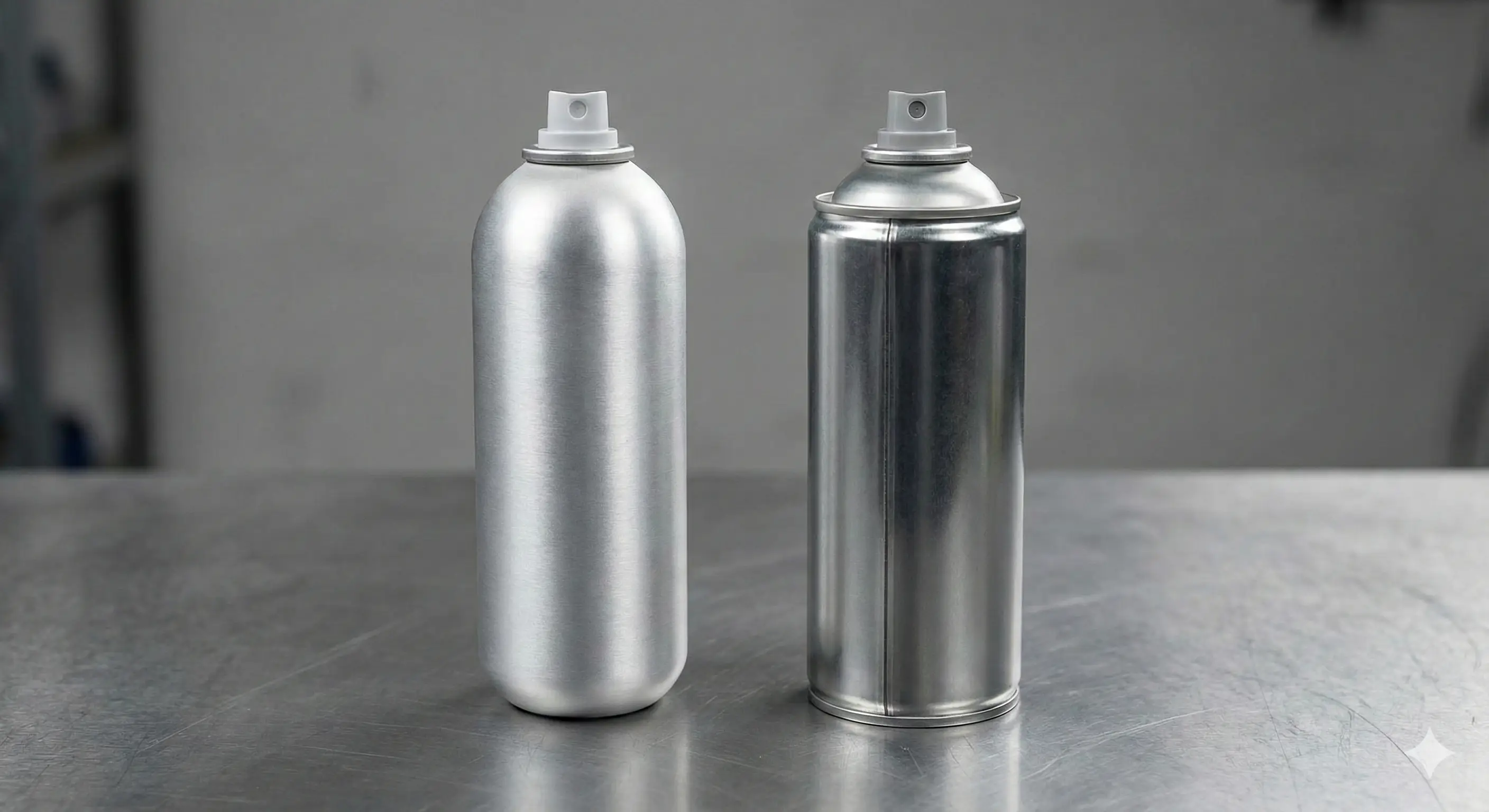
Aluminium aerosol cans are manufactured as seamless, single-piece containers using the impact extrusion process. A slug of aluminium is cold-formed into a cylindrical can body with an integral dome, eliminating side seams entirely. This seamless construction provides uniform wall thickness and excellent surface finish.
Aluminium cans are widely used in cosmetics, pharmaceuticals, food aerosols, and premium personal care products, where aesthetics, weight reduction, and corrosion resistance are critical. Can material selection is one part of the broader discipline covered in our aerosol technology and formulations resource.
Key technical characteristics of aluminium aerosol cans:
- Seamless one-piece construction with no welded joints
- Naturally corrosion-resistant base metal
- Lightweight structure reduces transport costs
- Requires internal organic coatings for most formulations
What Are Tinplate Aerosol Cans?
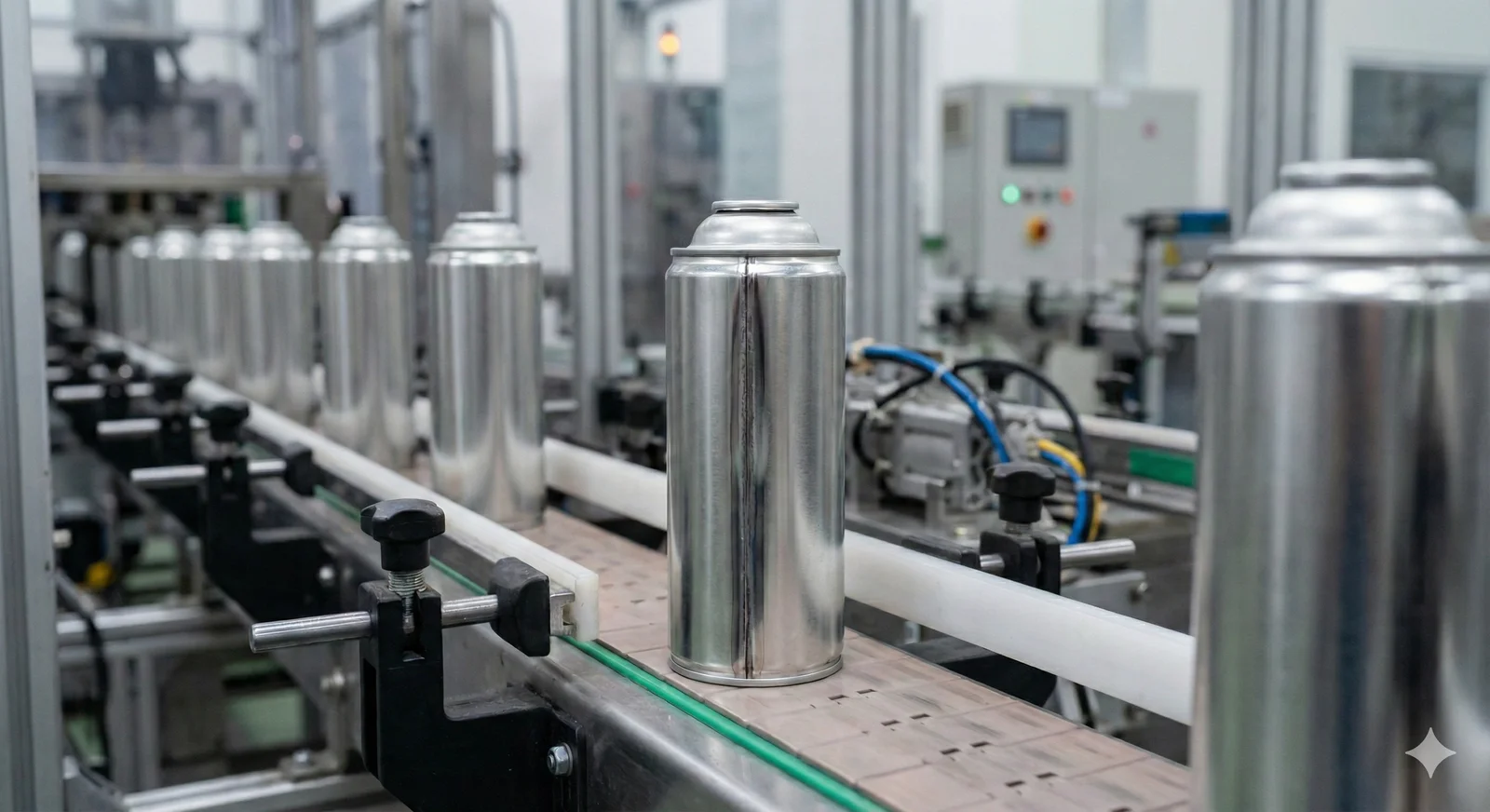
Tinplate aerosol cans are made from tin-coated low-carbon steel sheets, formed into cylindrical bodies through deep drawing or three-piece welded construction. The base and dome are attached separately using mechanical seaming, resulting in a multi-component structure.
Tinplate cans dominate automotive, industrial, household, paint, and insecticide aerosols, where mechanical strength, high-pressure tolerance, and cost efficiency are prioritized over aesthetics. See our step-by-step breakdown of how aerosol cans are manufactured for the full impact-extrusion and sheet-forming processes behind both can types.
Key technical characteristics of tinplate aerosol cans:
- Multi-piece construction with welded side seam and seamed ends
- Higher mechanical strength compared to aluminium
- Heavier than aluminium, impacting logistics costs
- Mandatory internal coatings to prevent corrosion
Manufacturing Process Comparison
The manufacturing route defines not only the physical properties of the can but also its cost structure and quality control complexity. Aluminium and tinplate cans follow fundamentally different forming technologies, each with specific engineering trade-offs.
Aluminium impact extrusion requires high-tonnage presses and precise slug metallurgy, while tinplate can production relies on sheet forming, welding, and multiple seaming operations. Seam and joint count directly affects leak risk on the filling line — see our walkthrough of crimping, gassing, and leak detection for how these interfaces are tested before dispatch.
Manufacturing Differences in Summary:
| Feature | Aluminium Cans | Tinplate Cans |
|---|---|---|
| Process Steps | Impact extrusion, ironing, trimming, washing, coating, curing | Sheet cutting, body forming, welding, flanging, seaming |
| Joints | Fewer joints (seamless) | Multiple joints (weld + seams) |
| Leak Risk | Lower leak-risk interfaces | Higher leak-risk due to seams |
| Rigidity | Ductile, lower rigidity | Higher dimensional rigidity |
Mechanical Strength and Pressure Performance
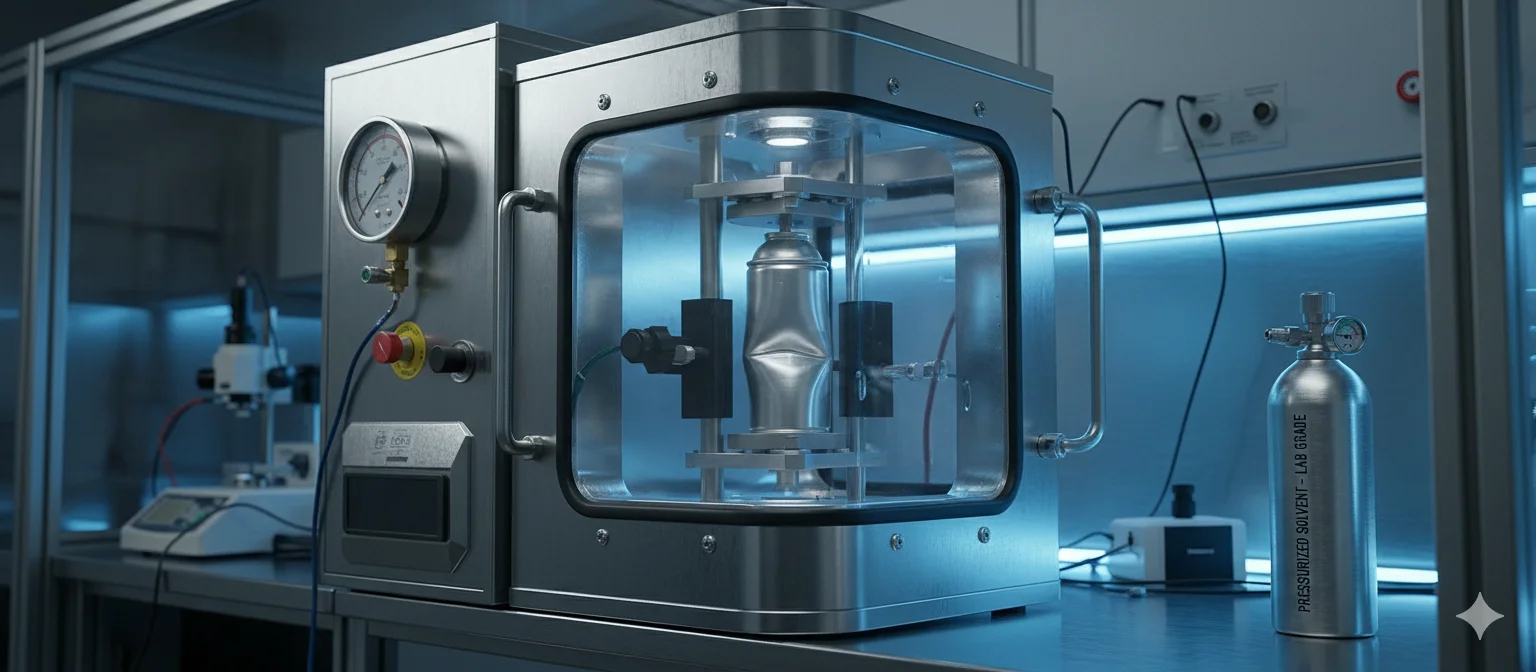
Pressure resistance is a critical safety parameter governed by international aerosol standards. While both materials meet regulatory requirements when properly specified, their mechanical behavior differs under stress. Burst and pressure-cycle testing follows standardized methods maintained by ASTM International. See our guide to aerosol can safety and burst testing for how these pressure thresholds and DOT compliance are calculated.
Tinplate steel has higher yield strength and resists deformation more effectively at high internal pressures. Aluminium, while ductile, relies on precise wall thickness control and dome geometry for pressure resistance.
Performance characteristics:
- Tinplate cans tolerate higher internal pressures with lower deformation
- Aluminium cans deform plastically before rupture, offering visible warning signs
- Both materials require compliance with pressure and burst testing standards
- Final performance depends on thickness, dome design, and quality control
Corrosion Behavior and Internal Coatings
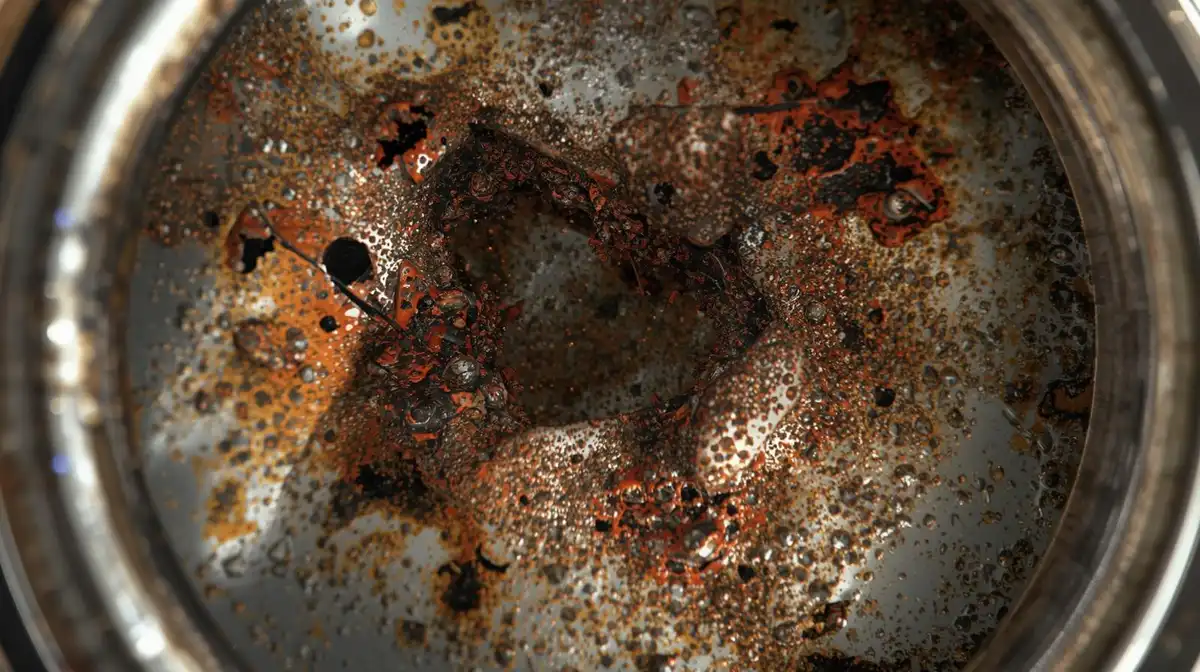
Neither aluminium nor tinplate aerosol cans are universally corrosion-proof without coatings. Internal corrosion is influenced by formulation pH, water content, solvent polarity, and propellant chemistry.
Aluminium forms a natural passivating oxide layer that provides baseline corrosion resistance, but aggressive formulations still require epoxy, polyester, or BPA-NI coatings. Tinplate steel is inherently susceptible to corrosion and always requires a protective internal lacquer. See our two-part breakdown of aerosol can corrosion causes and control for the electrochemical mechanisms behind these failure modes.
Key corrosion considerations:
| Material | Coating Requirement | Risk Factor |
|---|---|---|
| Tinplate | Always requires internal coatings | High risk if coating fails |
| Aluminium | Required for most formulations | Water-based/acidic products pose risk |
Cost Comparison: Aluminium vs Tinplate Aerosol Cans
Cost comparison must consider total landed cost, not just ex-factory can pricing. Raw material prices, energy consumption, transport weight, and minimum order quantities all influence final economics.
In general, tinplate cans are cheaper per unit at high volumes, while aluminium cans carry higher material and processing costs but offer logistics savings due to lower weight. Can cost is only one line item in total filling economics — see our breakdown of contract aerosol filling costs for how component pricing fits into overall production cost.
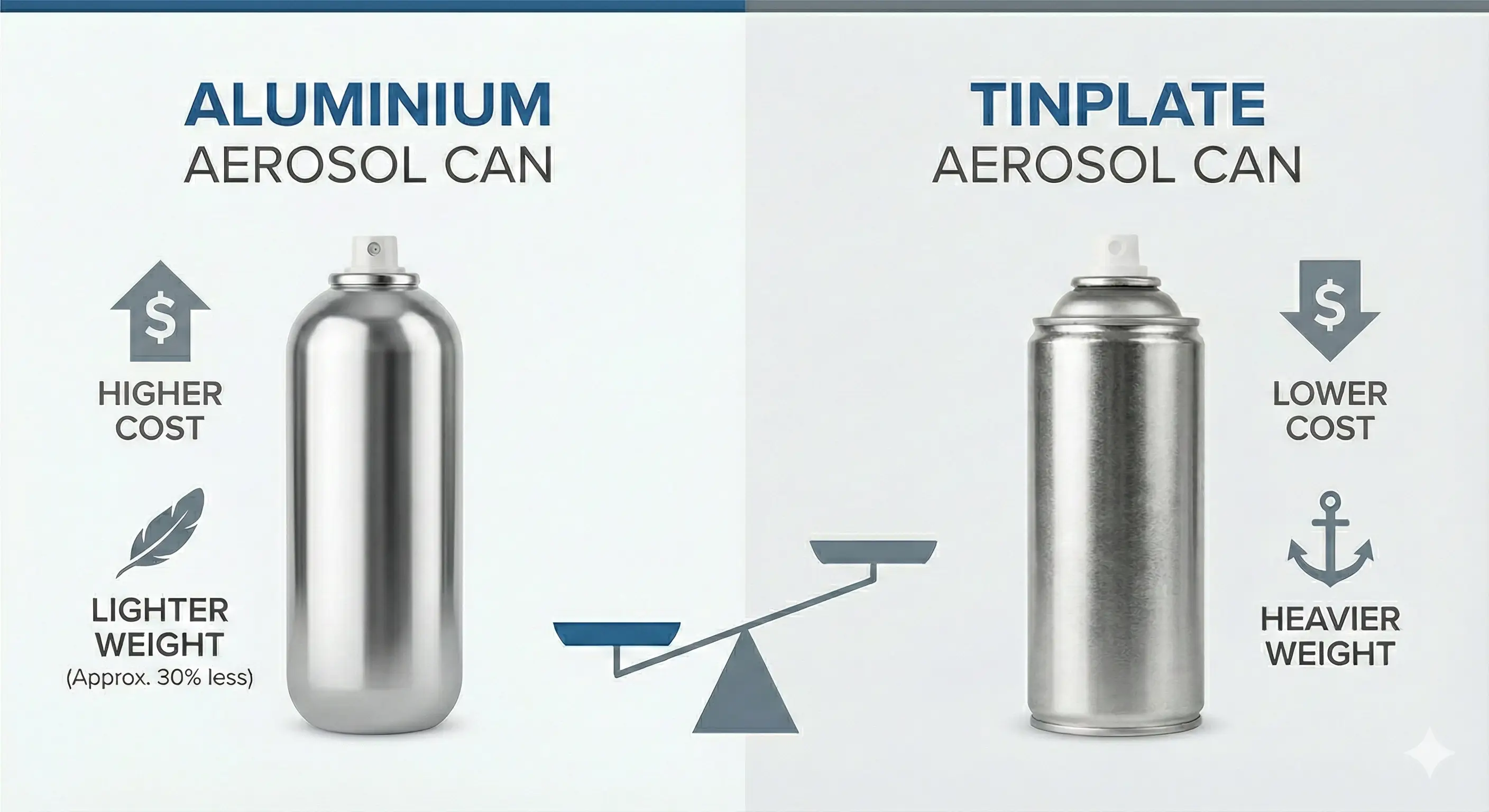
Cost drivers include:
- Raw material pricing volatility (aluminium vs steel)
- Energy intensity of impact extrusion
- Transport and freight cost differences
- MOQ and supplier availability by region
Sustainability and Recycling Considerations
Both aluminium and tinplate are fully recyclable and widely recovered through established recycling streams. Aluminium offers higher scrap value and requires significantly less energy to recycle compared to primary production.
Tinplate recycling is also mature but involves separation processes to remove coatings and tin layers. Industry-wide recycling and sustainability data for both materials is tracked by the British Aerosol Manufacturers' Association.
Sustainability comparison highlights:
- Aluminium has higher recycling value and recovery rates
- Recycled aluminium saves substantial energy vs virgin metal
- Tinplate recycling is robust but less energy-efficient
- Both materials support circular economy models
Which Can Is Better for Startups and New Brands?
There is no universally “better” material—only a better fit-for-purpose choice. Startups must balance aesthetics, cost, formulation compatibility, supply chain reliability, and scalability.
Aluminium suits premium, low-volume, brand-driven products, while tinplate is often more practical for cost-sensitive, high-pressure, or industrial applications.
| Goal / Requirement | Recommended Material |
|---|---|
| Premium Aesthetics | Aluminium (Seamless, high finish) |
| Lightweight Logistics | Aluminium |
| High Pressure / Industrial | Tinplate |
| Cost Sensitive | Tinplate |
Selection guidance:
- Choose aluminium for premium positioning and lightweight logistics
- Choose tinplate for high-pressure or cost-sensitive products
- Validate compatibility through corrosion and stability testing
- Consider supplier proximity and MOQs early
Frequently Asked Questions
Are aluminium aerosol cans safer than tinplate cans?
Both materials are safe when correctly designed, coated, and tested to applicable aerosol standards. Safety depends on engineering and quality control, not material alone.
Which aerosol can material is cheaper in India?
Tinplate cans are generally cheaper per unit in India due to local steel availability, but total cost depends on volume, transport, and application.
Can the same filling line be used for aluminium and tinplate cans?
Yes, with proper changeovers and crimp adjustments, most modern filling lines can handle both can types.
Which material offers better shelf life?
Shelf life depends more on internal coatings and formulation compatibility than on the base metal itself.
Do aluminium and tinplate aerosol cans require different crimping setups?
Both can types use the same standard valve crimp profiles, but tinplate's higher rigidity and aluminium's ductility mean crimp height and roll pressure must be validated separately for each material during filling-line changeover to maintain a hermetic seal.
Which aerosol can material is more sustainable?
Both aluminium and tinplate are fully recyclable through established recovery streams. Aluminium recycling consumes significantly less energy than primary production and commands a higher scrap value, while tinplate recycling remains robust but requires additional separation steps to remove coatings and the tin layer.
Need Technical Support for Aerosol Formulations?
Partner with Global Aerosols to audit, scale up, and troubleshoot your aerosol chemistry, canister pressure calculations, filling lines, and safety systems.
Email: consulting@globalaerosols.com
Website: https://www.globalaerosols.com
Phone: +91 9819548320 +91 8169102990
About the Specialist
Absar Khan is the principal consultant and chemical formulation architect at Global Formulation. He possesses cross-disciplinary engineering expertise spanning aerosol gassing systems, pharmaceutical manufacturing, sterile injectables, cosmetics, and green chemical plant setups. Absar leads scientific and engineering advisory teams supporting manufacturers globally in technology selection, GMP layouts, validation frameworks, and regulatory strategies.
LinkedIn Portfolio: Connect with Absar Khan on LinkedIn