Bag-on-Valve Technology: Design & Applications Guide
Guide Contents
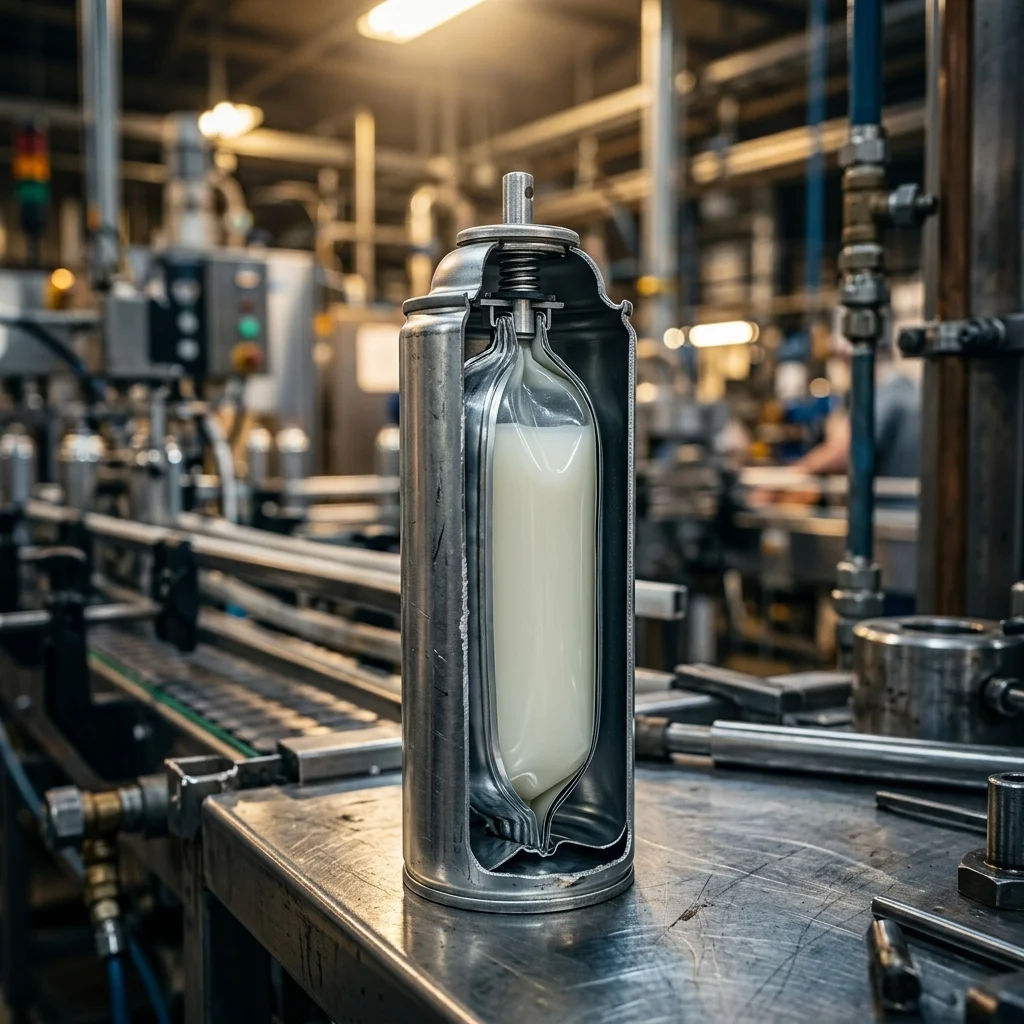
Bag-on-valve technology is a modern aerosol packaging system where the product is separated from the propellant inside a multi-layered bag. It works by squeezing the inner bag with compressed nitrogen or air to dispense the product. This matters for aerosol manufacturers because it ensures sterile, 360-degree spraying without propellant contact. This packaging advancement has revolutionized personal care, cosmetics, and particularly pharmaceutical spray formulations. For more details on engineering systems, visit our dedicated aerosol technology and formulations landing page.
Traditional aerosol packaging systems rely on a direct mix of the active liquid concentrate and a liquefied gas propellant within a single chamber. While highly effective for low-viscosity products, this direct contact exposes the active formulation to potential chemical degradation, gas oxidation, and cold-shock temperatures upon dispensing. Bag-on-Valve (BOV) technology completely bypasses these physical limitations. By encapsulating the formulation in an isolated pouch, it prevents any direct contact between the product and the propellant gas, allowing for a purer discharge and absolute protection of oxygen-sensitive active ingredients.
BOV Aerosol System Design & Components
The structural integrity of a BOV aerosol system is determined by a collection of specialized, highly engineered components. Unlike standard aerosol systems, which utilize a simple dip tube, a BOV system integrates a multi-layered bag-on-valve pouch. For an overview of other configurations, see our guide on types of aerosol systems. This structure is designed to withstand continuous external pressure and prevent gas permeation over multi-year storage cycles. The system consists of the following key elements:
- Pressurized Canister: Typically an extruded aluminum can conforming to ISO standards for packaging. The aluminum can provides a solid pressure barrier that prevents deformation under the stress of compressed gases.
- Multi-layered Laminated Bag: An aerosol inner bag design consisting of successive layers of polyethylene (PE), oriented polyamide (OPA), aluminum foil, and polyester (PET). The aluminum layer serves as a total barrier against oxygen, moisture, and gas migration.
- Welded Aerosol Valve: The valve assembly is directly welded to the top of the laminated bag, forming an airtight, hermetic seal. This prevents bypass leakage during pressurized filling operations.
- Actuator and Overcap: Precision-molded plastic components that define the spray geometry. The actuator is clicked onto the valve stem to enable clean, user-controlled dispensing.
- Propellant Chamber: The volume between the outer surface of the laminated bag and the inner wall of the aluminum canister, filled with pressurized nitrogen or air.
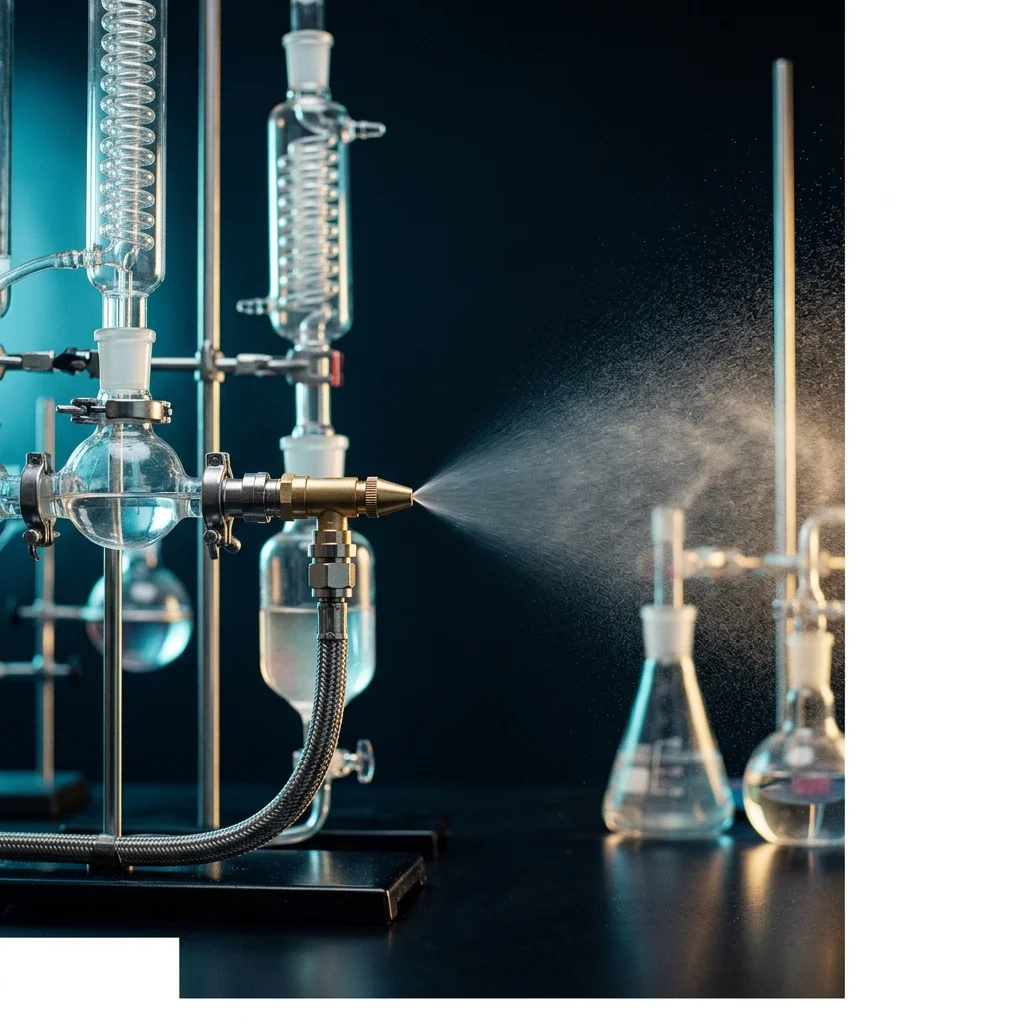
Figure 1: Cutaway representation of a Bag-on-Valve canister, illustrating the separation of the inner laminated bag and the pressurized nitrogen chamber.
How Bag-on-Valve Technology Works
The operating mechanism of a BOV aerosol system is based on simple volumetric displacement and mechanical compression. When the actuator is depressed, the valve channel opens to the atmosphere, creating a pressure differential between the inside of the laminated bag and the external nozzle orifice. The pressurized nitrogen surrounding the bag squeezes the flexible walls inward, forcing the liquid up and out of the nozzle. Because nitrogen behaves as an ideal gas, its physical properties can be analyzed using standard gas dynamics databases like the PubChem database.
Because the propellant gas does not mix with the liquid, there is no pressure drop associated with gas dissolution. The product is discharged at a steady rate, maintaining consistent spray characteristics from the first spray until the container is completely empty. The table below compares the functional properties of BOV systems with conventional aerosol systems:
| Feature | Bag-on-Valve (BOV) Systems | Conventional Aerosol Systems |
|---|---|---|
| Product/Propellant Mix | 100% separated; no chemical contamination | Directly mixed in a single chamber |
| Propellant Gas Used | Non-flammable Nitrogen (N2) or compressed air | Liquefied Petroleum Gas (LPG) or DME |
| Spray Angle Flexibility | 360-degree continuous spraying (all orientations) | Upright orientation only (dip tube dependency) |
| Product Evacuation Rate | Exceeds 99.5% (minimal waste) | Ranges from 90% to 97% (high retention) |
| Formulation Water Content | Compatible with high water-based concentrates | Requires organic solvents to dissolve LPG |
Pharmaceutical Applications & Sterile Aerosol Filling
The unique barrier properties of BOV technology make it an ideal choice for sterile medical and pharmaceutical spray formulations. In conventional packaging, keeping a formulation sterile after opening is difficult because outside air enters the container, introducing bacteria and oxygen. In a BOV system, the bag collapses as the product is sprayed, preventing backdraft air from entering. This maintains a sterile seal throughout the product's shelf life. Key pharmaceutical applications include:
- Sterile Saline Nasal Sprays: Allowing continuous, comfortable nasal irrigation without the need for chemical preservatives.
- Wound and Burn Care Mists: Ensuring antiseptic solutions can be applied at any angle without touching sensitive, damaged skin.
- Topical Pain Relief Gels: Providing precise dosing of active anti-inflammatory creams with rapid absorption and no skin-feel residue.
- Eye Washes and Irrigation: Offering immediate, continuous flushing of chemical contaminants in emergency medical situations.
Actuator and Droplet Control in BOV Systems
Achieving a consistent, high-performance spray in a BOV system requires careful matching of valve orifices and actuator geometry. Because there is no liquefied propellant to flash-evaporate at the nozzle, atomization relies on the mechanical shear generated within the actuator's internal swirl chambers. Droplet size control is critical to prevent inhalation hazards, especially for topical and nasal drug formulations. Clinical studies on PubMed highlight the relationship between spray droplet size and respiratory tract penetration.
To ensure consumer safety, topical and nasal pharmaceutical sprays must maintain a mean droplet diameter above 30 microns. Droplets smaller than 10 microns are considered inhalable and can settle in the deep pulmonary passages, which represents a regulatory and clinical hazard. Engineers use laser diffraction instruments to measure the spray particle size distribution and verify the safety profile of the actuator nozzle.
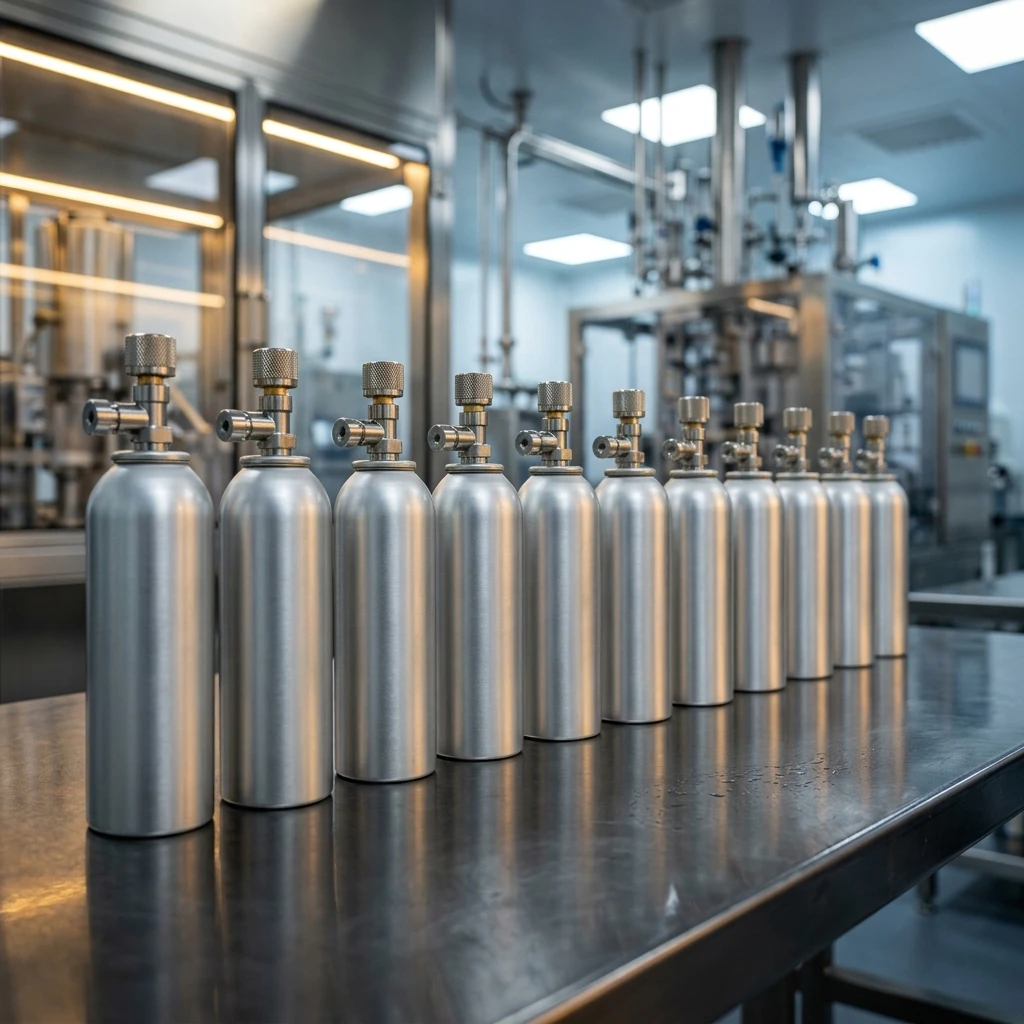
Figure 2: Infographic showcasing key design specifications and safety considerations for pharmaceutical Bag-on-Valve spray systems.
BOV Manufacturing Sequence: Gassing and Crimping
The manufacturing process for Bag-on-Valve systems differs significantly from standard aerosol filling lines. For standard lines, you can learn about aerosol crimping and gassing. For BOV products, the order is reversed. This unique gassing sequence ensures the propellant gas is sealed in the outer chamber before the active concentrate is pumped into the inner bag. The sequence consists of these steps:
- Valve and Bag Insertion: The empty, folded laminated bag-on-valve assembly is placed into the clean aluminum canister.
- Under-Cup Gassing and Crimping: Compressed nitrogen or air is injected into the can under the valve cup, and the cup is crimped to form a high-pressure seal. This locks the propellant outside the bag.
- Pressure Testing: The pre-gassed cans pass through a pressure sensor array to identify and reject any containers with low gas charges.
- Active Concentrate Injection: The product liquid is forced through the valve stem at high pressure, expanding the laminated bag within the pressurized gas chamber.
- Final Quality Checks: The filled cans undergo fill weight verification, pass through leak detection systems, and are fitted with actuators and overcaps.
Environmental and Regulatory Compliance for BOV Packaging
From a regulatory standpoint, BOV technology is highly regarded by environmental agencies because it uses non-flammable compressed gases instead of volatile organic propellants. This simplifies compliance with regional Volatile Organic Compound (VOC) limits, which are strictly regulated under global environmental protection frameworks. Organizations like BAMA highlight BOV as a leading sustainable technology for reducing carbon footprint in consumer packaging.
Additionally, the high product evacuation rate of BOV systems (over 99.5%) minimizes chemical waste, ensuring that hazardous formulations are not left inside containers when discarded. The aluminum canisters are fully recyclable, and the elimination of flammable propellants reduces warehouse fire hazard classifications. Read our overview of aerosol can safety calculations to learn more about pressure ratings. This makes BOV an operationally safer choice for both manufacturers and distributors.
Frequently Asked Questions
What is the primary difference between bag-on-valve and standard aerosol systems?
The primary difference lies in product separation. In a bag-on-valve system, the liquid formulation is sealed inside a laminated aluminum/polymer bag welded to the valve, while the pressurized propellant gas remains outside in the space between the bag and the can wall. In standard aerosol systems, the propellant and active concentrate are mixed together inside the chamber.
Which propellants are used in Bag-on-Valve technology?
Compressed nitrogen or clean compressed air are the most common propellants used in BOV systems. Because the propellant never comes into direct contact with the product concentrate, manufacturers do not need to use liquefied hydrocarbon gases (like LPG) or organic solvents as carrier diluents, resulting in a cleaner, non-flammable spray system.
Why is BOV technology preferred for sterile pharmaceutical applications?
BOV technology is preferred because it maintains absolute product sterility throughout its life cycle. The multi-layered laminated bag prevents oxygen, light, and propellant gas from reaching the active formulation. This hermetic seal enables preservative-free formulation chemistry, prevents solvent-driven oxidation, and allows sterile medical-grade liquids or saline washes to be sprayed without air backdraft.
Does Bag-on-Valve allow for continuous 360-degree spraying?
Yes, BOV systems allow for continuous 360-degree spraying, meaning the container can be actuated upright, sideways, or completely upside down. This is possible because the pressurized nitrogen outside the bag squeezes the pouch evenly from all sides to discharge the product, eliminating the reliance on a vertical dip tube.
Are Bag-on-Valve systems compatible with high-viscosity formulations?
Yes, BOV packaging is highly compatible with medium to high-viscosity formulations, such as gels, thick creams, and emulsions. The mechanical pressure exerted by the surrounding compressed nitrogen is capable of pushing viscous substances through the valve, whereas standard aerosols struggle to atomize high-viscosity liquids without adding large volumes of solvents.
What is the environmental profile of Bag-on-Valve aerosol systems?
BOV systems have a highly favorable environmental profile because they use non-flammable compressed gases like air or nitrogen instead of VOC-heavy liquefied hydrocarbons. The aluminum cans are fully recyclable, and the system enables high product evacuation rates (exceeding 99%), minimizing chemical waste in landfills.
Need Technical Support for Aerosol Formulations?
Partner with the Global Aerosols team to audit, scale up, and troubleshoot your aerosol chemistry, canister pressure calculations, filling lines, and safety systems.
Email: consulting@globalaerosols.com
Website: https://www.globalaerosols.com
Phone: +91 9819548320 +91 8169102990
About the Specialist
Absar Khan is the principal consultant and chemical formulation architect at Global Aerosols. He possesses cross-disciplinary engineering expertise spanning aerosol gassing systems, pharmaceutical manufacturing, sterile injectables, cosmetics, and green chemical plant setups. Absar leads scientific and engineering advisory teams supporting manufacturers globally in technology selection, GMP layouts, validation frameworks, and regulatory strategies.
LinkedIn Portfolio: Connect with Absar Khan on LinkedIn